Quick summary:
• Consistent house cleaning routines reduce dust, allergens, and clutter buildup more effectively than occasional deep cleans alone.
• Pairing surface cleaning with source control and ventilation addresses indoor air quality, not just visible dirt.
• Recurring and deep-cleaning schedules both play a role, depending on household size, pets, and seasonal needs.
Routine housekeeping helps maintain a clean, healthy indoor environment by removing dust, allergens, germs, and everyday dirt from frequently used surfaces. Regular cleaning appointments help prevent buildup, support better household hygiene, and keep your space neat year-round. Freshen Your Nest Cleaning Services helps homeowners keep homes comfortable, fresh, and well-maintained with professional cleaning solutions.
House cleaning routines work best when they combine two layers: regular maintenance cleaning for everyday upkeep and periodic deep cleaning for the buildup that routine wiping and vacuuming miss. Homes in Sicklerville, NJ face seasonal pollen, humidity swings, and pet dander that settle into carpets, blinds, and upholstery over time. A structured approach addresses both what is visible and what tends to hide in less obvious spots.
Building a Realistic Cleaning Routine
A workable routine separates tasks by frequency rather than trying to do everything at once.
• Daily: wipe kitchen counters, load dishes, and manage clutter in high-traffic rooms.
• Weekly: vacuum carpets, mop hard floors, dust furniture, and sanitize bathrooms.
• Monthly or seasonal: clean inside appliances, wash window tracks, and address baseboards or light fixtures.
Breaking cleaning into these tiers prevents any single session from becoming overwhelming and keeps dust and grime from compounding week over week.
Deep Cleaning Versus Routine Maintenance
Deep cleaning and recurring maintenance serve different purposes, and understanding the distinction helps homeowners budget time and money appropriately.
| Factor | Recurring Maintenance Cleaning | Deep Cleaning |
| Frequency | Weekly or biweekly | Seasonally or a few times a year |
| Focus | Visible surfaces, floors, bathrooms, kitchens | Appliances, window tracks, baseboards, high-touch sanitizing |
| Time investment | Shorter, consistent sessions | Longer, more detailed sessions |
| Best for | Everyday upkeep between deeper cleans | Spring cleaning, move-in/move-out, post-renovation |
Skipping deep cleaning for long stretches lets grease, mineral deposits, and allergen buildup settle in places routine cleaning doesn’t reach, such as refrigerator coils or window tracks.
Addressing Indoor Air Quality Through Cleaning
House cleaning is not only about appearance. According to the EPA’s guidance on indoor air quality, source control, meaning identifying and eliminating individual sources of pollution, is in most cases the most effective solution to indoor air quality problems. Dusting, vacuuming with a sealed filter, and washing fabric surfaces regularly all count as source control because they remove particles before they circulate in household air.
Ventilation complements cleaning rather than replacing it. The EPA notes that increasing the amount of outdoor air helps lower indoor air pollutant concentrations after cleaning tasks that stir up dust or release fumes from products. Opening windows briefly during and after vacuuming or mopping gives airborne particles somewhere to go instead of letting them settle on nearby surfaces.
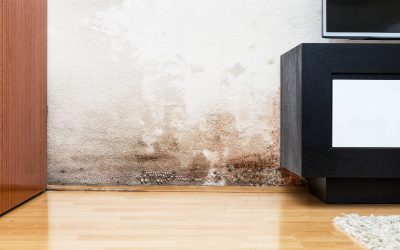
Humidity control also matters for households concerned about mold. The agency advises that indoor humidity should be kept between 30 and 50 percent to limit conditions that allow mold growth in bathrooms, basements, and kitchens, areas that already require frequent attention during routine cleaning.
Practical Tips for Sicklerville Households
Homes in Sicklerville, NJ often deal with seasonal pollen tracked indoors during spring and fall, along with humidity that can make bathrooms and basements prone to mildew. A few adjustments can help:
1. Place walk-off mats at entry points to reduce pollen and dirt tracked inside.
2. Wash bedding and curtains more frequently during high-pollen months.
3. Run bathroom exhaust fans during and after showers to limit moisture buildup.
4. Schedule a deeper clean before and after seasonal transitions when windows are opened or closed for the first time.
These habits reduce the workload of any single cleaning session and support better indoor air quality between deeper cleaning rotations.
Frequently Asked Questions
How often should a home be deep cleaned versus maintained weekly? Most households benefit from weekly or biweekly maintenance cleaning paired with a deeper clean once or twice per season, depending on household size and pets.
Does cleaning actually improve indoor air quality? Yes. Removing dust and allergens from surfaces is a form of source control, which the EPA identifies as the most effective way to address indoor air pollution.
What areas are most often missed during routine cleaning? Window tracks, baseboards, light switch covers, and the interiors of major appliances are commonly overlooked during quick cleaning sessions.
Is professional cleaning necessary for a healthy home, or is DIY enough? Both approaches can work; the right choice depends on time availability, household size, and whether you address deeper tasks like appliance interiors or window tracks consistently.
Local Service Information
Readers researching local scheduling and service area details can contact Freshen Your Nest Cleaning Services for published information.