
In brief:
- THCA is the non-intoxicating precursor to THC and converts through heat, so lab results and curing method matter more than label claims alone.
- Quality indicators include third-party lab testing, trichome density, cure quality, and transparent sourcing information.
- Buyers across the USA can compare cannabinoid percentages, terpene profiles, and batch-specific certificates of analysis before purchasing.
Identifying high-quality THCA flower comes down to verifying lab-tested cannabinoid content, checking visual and aromatic freshness, and confirming the product was cured and stored properly. These three factors separate reliably potent, well-processed flower from inconsistent or poorly handled batches sold under the same category name.
Shoppers who want to explore quality THCA buds from Costa Brand are typically trying to sort through a crowded hemp-derived market where labeling standards vary widely between sellers. THCA itself does not produce intoxicating effects in its raw form; it converts to THC primarily through heat exposure, such as smoking, vaping, or cooking. That distinction matters because a flower’s raw THCA percentage on a label does not automatically tell a buyer how it will perform once heated, which is why independent lab documentation is the more reliable reference point.
What Determines Flower Quality
Several measurable factors separate average flower from well-processed, higher-grade product.
- Cannabinoid testing: A certificate of analysis (COA) from an independent lab should confirm THCA, total THC, and other cannabinoid percentages for the specific batch, not a generic average.
- Terpene content: Terpenes influence aroma and are often tested alongside cannabinoids; a flower with a documented terpene profile gives buyers more accurate expectations than scent alone.
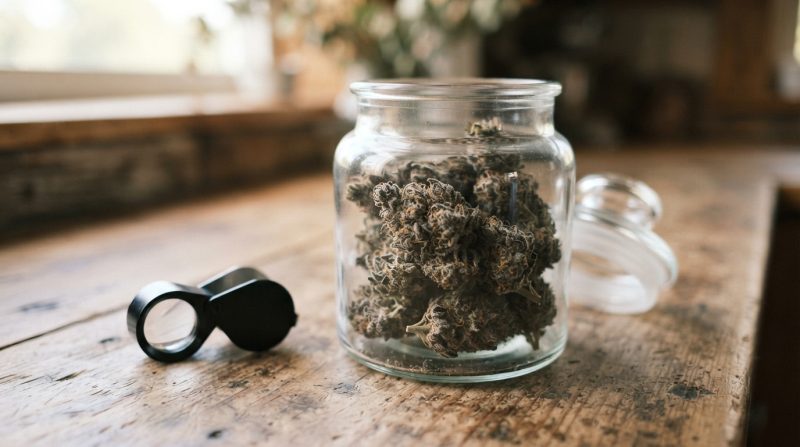
- Trichome coverage: Dense, visible trichomes (the crystal-like structures on the flower surface) usually correlate with higher cannabinoid concentration, though this should still be confirmed by lab data.
- Cure and moisture content: Properly cured flower should feel dry but not brittle, with no visible mold, mildew, or excess moisture that could affect shelf stability.
Buyers should request or review a batch-specific COA rather than relying on packaging claims, since testing requirements and enforcement vary by state. The FDA’s consumer updates on cannabis-derived products note that product quality and labeling accuracy are not uniformly regulated across every market, which places more responsibility on the buyer to verify sourcing.
Comparing Common THCA Flower Grades
Flower is typically marketed in tiers based on appearance, trim quality, and lab results. The table below outlines general distinctions buyers may encounter.
| Grade Tier | Typical Trichome Density | Trim Quality | Lab Documentation |
|---|---|---|---|
| Budget | Light to moderate | Loose, visible stems | Often batch-average only |
| Mid-tier | Moderate to dense | Hand-trimmed, minimal stem | Batch-specific COA common |
| Premium | Dense, visible crystal coating | Tight hand-trim | Full cannabinoid and terpene COA |
This comparison is a general industry pattern rather than a guarantee tied to any single seller, since grading terminology is not standardized across the hemp industry.
Sourcing and Verifying Product Information
Confirming where and how flower is grown, processed, and tested adds another layer of quality assurance beyond the COA itself.
- Check cultivation origin – domestic cultivation under state hemp programs typically involves more consistent oversight than unverified imported material.
- Review processing dates – fresher processing dates generally correlate with better terpene retention and less degradation.
- Confirm testing lab accreditation – look for labs that disclose their accreditation status rather than unnamed “in-house” testing.
- Compare packaging information – reputable sellers list batch numbers that correspond directly to a published COA.
Buyers across the USA increasingly rely on these verification steps because hemp-derived product regulation differs by state, and a batch number tied to a public COA remains one of the more consistent quality signals regardless of location.
Frequently Asked Questions
Is THCA flower legal to purchase? Legal status depends on state law and the product’s total delta-9 THC content at the federal threshold defined under the 2018 Farm Bill framework; buyers should confirm current rules in their own state before purchasing.
Does a higher THCA percentage always mean stronger effects? Not necessarily, since total potency depends on how much THCA converts to THC during use, along with terpene content and individual tolerance.
How should THCA flower be stored to preserve quality? Flower should be kept in an airtight container, away from direct light and heat, since both accelerate cannabinoid degradation and terpene loss.
What does a certificate of analysis actually confirm? A COA verifies cannabinoid percentages and, often, terpene content and screening for contaminants such as pesticides or heavy metals for that specific batch.
Business Information
Product listings and sourcing details for Costa Brand are maintained as part of its published flower catalog.
Current batch and availability information for Costa Brand is published alongside its flower listings.